How to Recognize You’ve Outgrown the Solo Phase and Need Support

Starting a business on your own is often marked by enthusiasm and a “do-it-yourself” approach that brings a sense of full control, flexibility, and creative freedom. However, as the business grows, operational tasks become increasingly demanding, and the independence that was once an advantage gradually turns into an obstacle to further progress. At some point, it becomes clear that taking on all responsibilities is not sustainable, and that delegation is key to growth, stability, and preserving your energy.
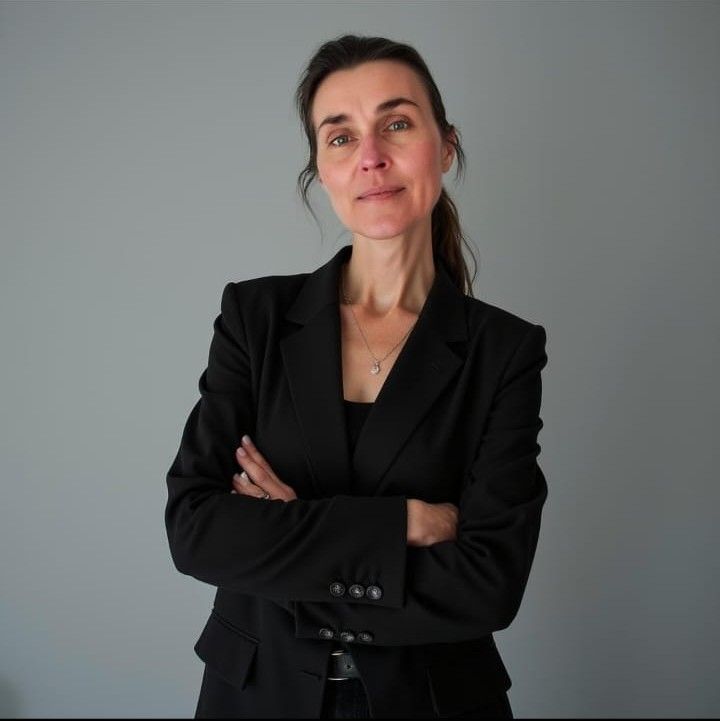
In this article, virtual assistant Danijela Maltar highlights the key signs that indicate your solo business phase has reached its limits and that it’s time to consider bringing in support. Through real-life examples, readers are guided to recognize their own patterns of overload and make timely decisions that enable healthy and sustainable business growth.
From Solo Approach to a Sustainable Team
Being a solo entrepreneur means simultaneously taking on the roles of CEO, marketing manager, salesperson, accountant, and administrative staff. This model works in the early stages of business, but as tasks increase and responsibilities grow, time and energy become limited resources.
Outgrowing the solo phase is a sign of business maturity. It shows that you’ve built something valuable that can no longer rely solely on one person, but requires support to continue progressing.
1. Signs You’ve Outgrown the Solo Phase – Real-Life Examples
It’s not always easy to recognize when it’s time for support. We often get used to being overwhelmed and accept it as “part of the job,” believing it’s the only path to success. However, this mindset leads to burnout and stagnation in the long run.
Here are some clear indicators, based on real client experiences, that can help you recognize the right moment to take action:
➤ Lack of Time for Strategic Thinking and Growth – Lost in Operations
My long-term client Anita, the owner of a personalized gift webshop, was doing great. Orders were coming in, reviews were excellent, customers were satisfied, and motivation was high.
But during one of our conversations, she casually admitted:
“Danijela, I can’t get to this task this week because I’m constantly packing orders, arranging deliveries, responding to shipment inquiries, and handling small complaints. Now I also need to develop new products, expand the product range, and improve marketing, but I simply don’t have time to even sit down and think about it, let alone implement everything!”
Anita’s situation perfectly illustrates the moment when operations completely take over the business. The business exists, but it doesn’t grow or reach its full potential. The relief was enormous when she realized she didn’t have to do everything alone. Once we put the numbers on paper, delegation became a clear win-win solution. Today, we successfully collaborate—and all of Anita’s ideas have become reality.
➤ Constant Feeling of Overwhelm and Burnout – The Business Controls You
I also remember Josip, a young and highly talented freelance graphic designer with an impressive portfolio. He was in high demand but worked 14+ hours a day, seven days a week.
“I love my job and client satisfaction means everything to me, but I feel exhausted to the point of burnout. I don’t have time to exercise, relax, or see friends, and sometimes I literally sleep with my laptop because I’m afraid of missing an email or a call.”
Burnout is a real risk in solo entrepreneurship. When your business starts to harm your well-being, it’s time for a change.
After delegating administrative tasks like scheduling meetings, initial client communication, and project organization, Josip regained balance—and with it, his creativity, motivation, and energy for more complex projects.
➤ Missing Opportunities and Limited Capacity
My client Maja, a successful PR professional, started turning down new projects—even high-budget ones.
“I know I could earn more and expand my portfolio, but my calendar is fully booked. I can’t take on any more projects, let alone think about scaling. I feel like I need help.”
If you’re turning down opportunities simply because you don’t have time, your solo capacity has reached its limit. By delegating, Maja created space to take on more profitable work and strategically grow—something she couldn’t achieve alone.
➤ Tasks You “Hate” or Aren’t Skilled At
We all have tasks we avoid until the last minute or that drain more energy than they’re worth.
My client Miro, a real estate consultant, avoided creating complex presentations and entering data into databases.
“It takes me an entire afternoon, and I know I could use that time for sales, networking, or investor strategy.”
By delegating, he freed up time for what he does best, while I ensured his presentations were professional and flawless.
➤ Financial Stagnation or Costly Mistakes
If your revenue isn’t growing despite increased workload, or if you’re making mistakes due to fatigue, rushing, or lack of focus, it’s time to reassess your processes.
Trying to “save money” by avoiding support often leads to more expensive consequences: missed opportunities, errors, unhappy clients, and slowed growth. Delegation frees up time for activities that directly increase revenue and improve your financial health.
2. Why Support Is Key – and Where to Find It
Virtual Assistant as a Scalable Solution
A virtual assistant is a flexible form of support—you can start with just a few hours per week and scale as needed. With administrative, organizational, marketing, and technical skills, a VA takes over time-consuming tasks that don’t create core value.
This gives entrepreneurs a partner who relieves operational pressure and creates space for growth.
Mentors and Support Communities
At certain stages of business, having a mentor or community that understands entrepreneurial challenges is invaluable. Mentorship and professional communities enable knowledge sharing, access to resources, continuous learning, and easier networking with potential collaborators.
The Role of the GoThrive Community
Within the GoThrive virtual assistant community, it’s very clear how impactful timely support can be. GoThrive gives entrepreneurs access to trained and vetted VAs who not only handle operations but also act as strategic partners in optimizing processes, increasing productivity, and supporting growth.
The community provides a safe environment for learning, collaboration, and development—which is an invaluable part of any entrepreneurial journey.
Conclusion: Delegation Is an Investment, Not a Loss of Control
Outgrowing the solo phase is a natural and desirable step in building a successful business. Delegation is not a sign of weakness—it’s recognition of the value your business has already created.
It enables:
- greater focus
- higher productivity
- more energy
- better quality of life
- faster and more stable growth
Entrepreneurial success deserves a team—and timely support is one of the most important steps toward sustainable professional development.
About the Author
Danijela Maltar (Virtualna Danchi) is a virtual assistant specializing in business process optimization and entrepreneurial support. She is the owner of GoVirtual-MD, where she provides administrative services, customer support, and debt collection, helping clients digitize and streamline their operations.
With experience across multiple industries—from military service, retail, and hospitality to accounting and IT—she continuously upgrades her skills. She is one of the earliest members of the GoThrive alumni community, where she gained the knowledge and support she now applies in her work with entrepreneurs.
Contact: danijela.maltar@govirtual-md.hr